
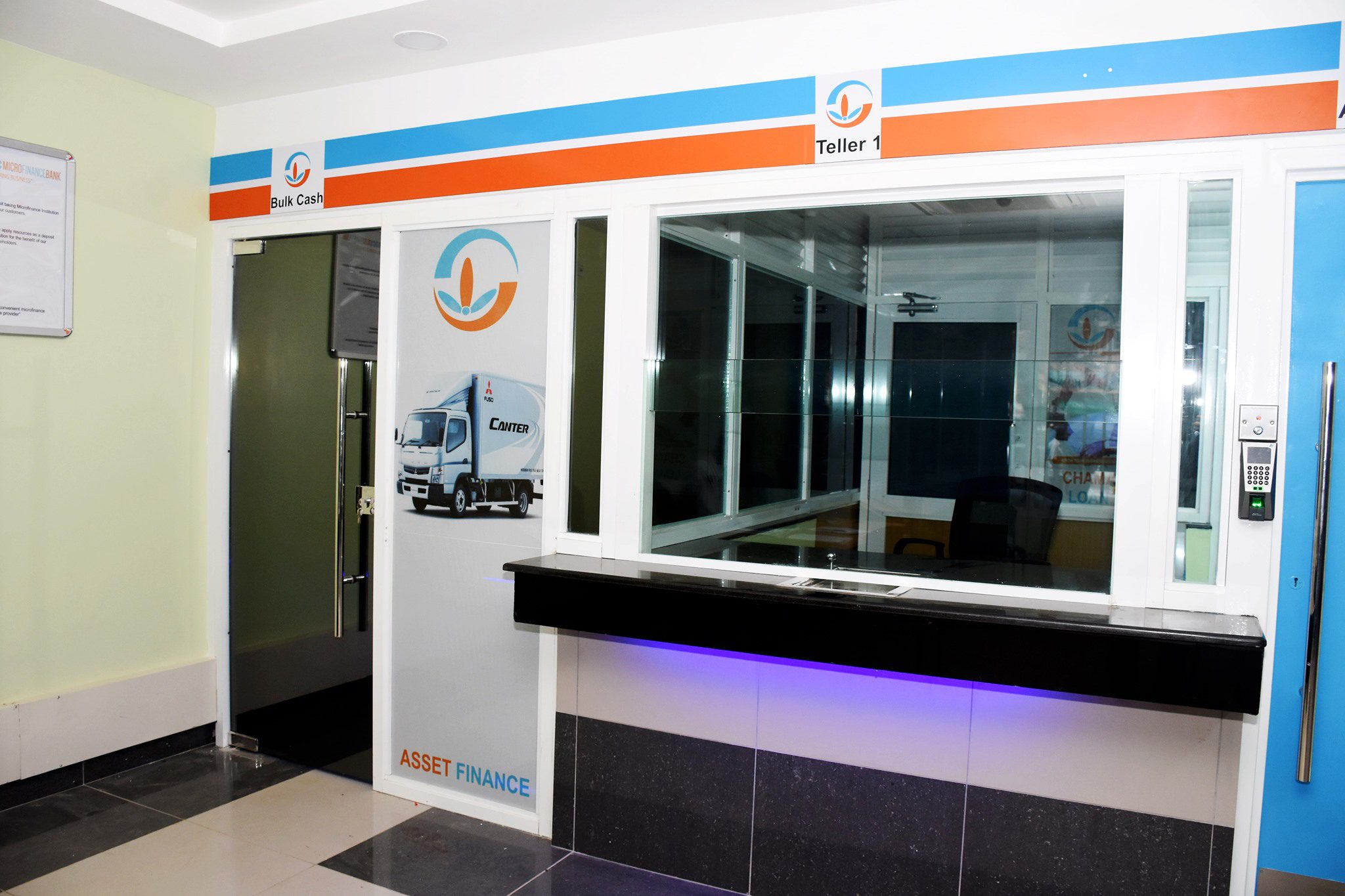
In the vibrant streets of Ngara, where traders sell everything from second-hand electronics to fresh produce under the relentless Nairobi sun, access to capital has long been the difference between survival and success. For decades, small business owners in Ngara, sprawling Eastlands, and the outlying areas of Nairobi have grappled with limited formal financing options. Banks often demanded collateral that many couldn’t provide, while informal lenders charged exorbitant rates that strangled growth. Enter Sumac Microfinance Bank’s Ngara Branch – a financial beacon that has quietly but powerfully reshaped the economic landscape for countless entrepreneurs.
Nestled at the Ground Floor of Magu House on Park Road, the Ngara Branch stands as more than just a banking outlet. It is a pioneering force in Sumac’s network, emerging as a pivotal hub for small-scale and SME businesses in one of Nairobi’s most dynamic commercial zones. Since joining the fold, it has become a financial fulcrum, channeling tailored products like Asset Finance and Business Loans to traders, manufacturers, transporters, and service providers who form the backbone of Kenya’s informal and semi-formal economy.
This is their story – one of resilience, strategic lending, and tangible transformation.
The Humble Beginnings of a Visionary Institution
Sumac Microfinance Bank traces its roots to 2004, when a group of 14 visionary investors, many of whom had faced retrenchment in the early 2000s, came together with a modest Ksh500,000 and a big dream. They formed what was initially a credit-only lender focused on the “common folk” – micro, small, and medium enterprises (MSMEs) overlooked by traditional banks. Led by the passion of founder and Chairman Kibatha Njoroge, the institution secured its deposit-taking license from the Central Bank of Kenya in 2012, marking a new chapter in accessible banking.
From one branch, Sumac expanded steadily. The Head Office on Koinange Street and early branches laid the foundation, but the Ngara Branch quickly distinguished itself. As the bank grew to multiple locations, Ngara emerged not merely as another outlet but as a specialized engine for grassroots commerce. Its location – strategically placed amid bustling markets, light industries, and residential neighborhoods feeding into Eastlands like Buruburu, Kayole, and beyond – made it ideal for serving entrepreneurs operating in high-energy, high-need environments.
Chairman John Kibatha Njoroge reflects on this journey with pride. “We started with very little, just like many of our clients,” he says. “Our goal was never just to lend money but to partner in building livelihoods. The Ngara Branch embodies that spirit. It was among the early expansions that took us closer to the people – the traders, the mama mbogas, the mechanics, the transporters who keep Nairobi moving. Seeing it become a cornerstone for businesses in Ngara and Eastlands has been incredibly fulfilling.”
Njoroge’s words carry the weight of experience. Having steered the bank through regulatory shifts, economic turbulence, and now a landmark acquisition by a global financial institution, Moniepoint Inc. in 2026 (which brought fresh capital and technology while preserving local expertise), he remains the vision carrier. Under his leadership, Sumac has maintained a sharp focus on financial inclusion, earning consistent recognition, including top placements in Think Business Banking Awards.
Asset Finance and Business Loans: The Game Changers
What sets the Ngara Branch apart is its mastery of two flagship offerings: Asset Finance and Business Loans. These products have become “great hits” with local businesspeople, precisely because they are designed for reality on the ground.
Asset Finance allows entrepreneurs to acquire productive assets – vehicles, machinery, equipment, furniture, or electronics – with the financed item itself serving as primary security. Loan sizes range from Ksh50,000 to Ksh10 million, with a one-month grace period and requirements like a 30% deposit, vendor agreements, and basic documentation. This structure lowers barriers dramatically compared to conventional loans.
A typical beneficiary might be a boda boda fleet owner in Eastlands expanding operations or a small manufacturer in Ngara upgrading sewing machines. Instead of paying upfront, they spread costs while immediately generating income from the new asset.
Business Loans, another cornerstone, provide working capital for established enterprises. Ranging similarly from Ksh50,000 to Ksh10 million, these loans accept flexible collateral like title deeds, logbooks, shares, fixed deposits, or even third-party guarantees. They are accessible, with a focus on entrepreneurs who need quick, reliable boosts for inventory, expansion, or smoothing cash flows.
CEO John Njihia explains the philosophy behind these products: “In areas like Ngara and Eastlands, businesses don’t fail because of lack of ambition – they fail because of lack of timely, affordable capital. Our Asset Finance turns dreams of ownership into immediate productivity. Our Business Loans fuel growth without strangling the borrower with unrealistic demands. At the Ngara Branch, our team understands the local economy intimately. They walk the markets, they know the challenges, and they structure facilities that work.”
Mr. Njihia emphasizes customer-centric innovation. “We’ve seen repayment rates that prove our model. When you lend responsibly and support clients with financial literacy and follow-ups, you build not just portfolios but thriving ecosystems.”
Stories from the Ground: Lives Transformed
Walk through Ngara’s streets today, and echoes of Sumac’s impact are audible in expanded shops, new delivery vans, and confident entrepreneurs.
Consider hypothetical yet representative cases drawn from the branch’s focus. Mary Wanjiku, a wholesaler of textiles in Ngara Market, accessed a Business Loan to stock up ahead of the festive season. Previously reliant on expensive chamas or middlemen, she scaled her inventory, increased her monthly turnover by over 60%, and now employs three additional staff from her Eastlands neighborhood.
Or take Joseph Kamau, a garage owner whose Asset Finance facility allowed him to purchase modern diagnostic equipment. His business, serving matatus and private cars from outlying areas, now operates more efficiently, reducing downtime for clients and boosting his revenue enough to open a second bay.
These are not isolated wins. The Ngara Branch serves a catchment that includes not just Ngara proper but extends influence into Eastlands’ dense residential and commercial zones and peri-urban areas where formal banking penetration remains low. Traders moving goods between Nairobi’s CBD, industrial areas, and satellite towns rely on Sumac’s Trade Finance offerings too, ensuring supply chains stay intact.
The branch’s team – known for energetic client engagement during initiatives like Customer Service Week – builds relationships that go beyond transactions. Staff visit clients, celebrate milestones, and provide ongoing advisory support. This human touch has fostered loyalty and word-of-mouth referrals that continue to drive growth.
Broader Economic Ripple Effects
The impact extends beyond individual businesses. By empowering MSMEs in Ngara and Eastlands, Sumac’s Ngara Branch contributes to job creation, poverty reduction, and local economic multipliers. Each successful enterprise supported means more salaries paid, more taxes (directly or indirectly), more vibrant markets, and stronger communities.
In a country where MSMEs account for the vast majority of employment, targeted microfinance like Sumac’s plays a critical stabilizing role, especially during economic headwinds such as inflation, currency fluctuations, or post-pandemic recovery.
Chairman Njoroge notes the strategic importance: “Ngara Branch proved that when you locate services where the economic activity is – near the markets, near the people – you unlock potential. We’ve moved from being a small lender to a recognized partner in Kenya’s growth story. The recent acquisition by Moniepoint will amplify this, bringing digital tools and deeper capital to serve even more entrepreneurs across Nairobi and beyond.”
CEO Njihia adds optimism for the future: “2026 and beyond look brighter. With enhanced capabilities, we aim to deepen our footprint in asset financing for green technologies, digital trade, and agribusiness linkages that benefit urban suppliers from rural areas. The Ngara Branch will remain central to that vision – a testing ground for innovations that serve the real economy.”
Challenges and the Road Ahead
No success story is without hurdles. Sumac has navigated regulatory evolution, competition from fintechs and larger banks, and the perennial issue of non-performing loans in volatile markets. Yet the Ngara Branch’s focused approach – rigorous yet empathetic credit assessment, coupled with post-disbursement support – has kept risks manageable.
As Kenya pushes towards full financial inclusion, institutions like Sumac demonstrate that microfinance banks, when professionally run and community-embedded, can outperform expectations. The bank’s awards and steady expansion validate this.
For businesspeople in Ngara, Eastlands, and surrounding areas, Sumac Ngara isn’t just a bank – it’s a growth partner. It understands that a biashara (business) is more than numbers on a balance sheet; it’s families fed, children educated, and dreams realized.
A Legacy of Bold Empowerment
As Sumac Microfinance Bank enters its next phase post-acquisition, the Ngara Branch stands as a testament to what targeted, understanding finance can achieve. From its pioneering role in bridging formal finance with informal commerce to its ongoing delivery of impactful Asset Finance and Business Loans, it continues to write success stories daily.
Chairman Kibatha Njoroge and CEO John Njihia share a common refrain: this is only the beginning. For the entrepreneurs of Nairobi’s bustling heartland, that promise translates into hope, opportunity, and the fuel needed to keep hustling – and thriving.
In Ngara, where every shilling counts and every deal matters, Sumac has proven that accessible finance isn’t a luxury. It’s the spark that turns small businesses into economic powerhouses.